Field notes / Productivity
Success Comes From Playing Games
The most successful people treat work like a game. Clear rules, measurable progress, and leveling up. Here's how to apply game thinking to your career.
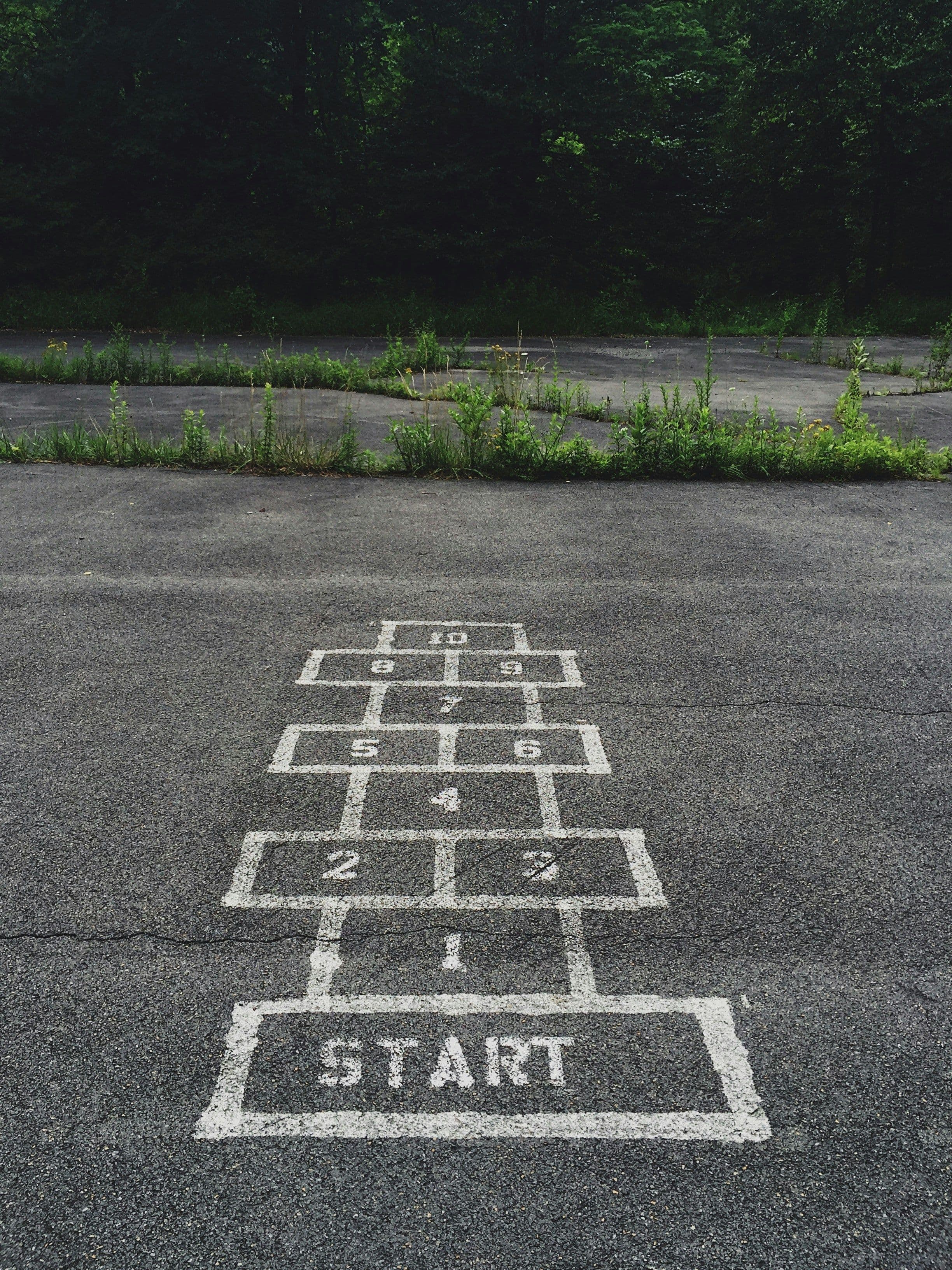
Think about the last time you played a game. A board game, video game, a sport, some form of imaginary play with your kids. What was the motivator that kept you going and engaged in the outcome?
Typically it is the chance to win. The human brain loves winning. That dopamine hit when you level up, cross the finish line, or finally get that last piece into place. It is wired into us at a biological level.
What Chicapig Taught Me About Product Design
My personal favorite game is a strategy game called Chicapig. The goal is simple: get all your Chicapigs into their pen before anyone else does. In the process, you must prevent your opponents from reaching their pen by blocking their path to success.
It is easy to get wrapped up in the game because of the dopamine rush you get the closer you get to your goal. Every move feels like it matters. Every block you place against an opponent feels like a small victory. And every Chicapig that makes it into the pen feels like real progress.
That feeling is not an accident. It is the result of deliberate game design. Clear goals, visible progress, meaningful choices, and a sense of agency. The same principles apply to everything you build.
Gamification Is Not About Points and Badges
Gamification is the process of incorporating gaming elements into a non-gaming context to improve engagement levels and encourage users to take action. But most people get it wrong. They slap a leaderboard on their app and call it gamification. That is decoration, not design.
Real gamification starts with understanding your user's journey to success. What does winning look like for them? What are the obstacles? What small victories can you engineer along the way that make them feel like they are making progress?
Design the Game Around the Journey
When planning your gamification strategy, the game steps should resemble those of your customer journey to success. Every step in the game is an action that will present little victories they need to keep moving forward.
This works the same for SaaS, memberships, courses, and digital products. All of these products are vehicles that take the user from Point A to Point B. The question is whether the ride feels like a slog or an adventure.
A course that shows you "3 of 12 modules complete" is using gamification. A SaaS onboarding flow that celebrates your first successful action is using gamification. A fitness app that gives you a streak counter is using gamification. None of these require a single line of game code. They require understanding what makes your user feel like they are winning.
The Compound Effect of Small Wins
Building games into your products will not only make things fun for your customers but will boost engagement and their commitment to achieving the promised goal. They will want to continue and keep coming back so they can win.
The best products do not just deliver value. They make you feel the value as you go. They turn the mundane into something that feels like progress. That is the difference between a product people use and a product people love.
So the next time you are designing a feature, ask yourself: does this feel like a game worth playing? If the answer is no, you have more work to do.
Related: Learning Without Action Is Just Entertainment and Squirrel!.
From the idea to the work
Make the workflow useful in a real product.
Bring a product idea, an internal tool, or an AI-assisted workflow that needs a working implementation.